

Made in India, Branded for the World – Why Printing & Branding Is Still Booming
July 7, 2025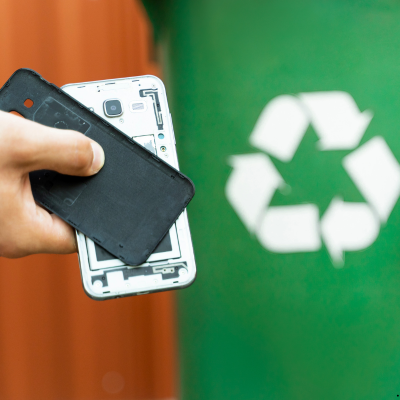
As India rapidly becomes a global hub for digital adoption, it’s also becoming one of the largest producers of electronic waste. According to a report by the Central Pollution Control Board (CPCB), India generated over 1.6 million tonnes of e-waste in FY 2022-23, and this number is expected to grow by 30% year-on-year.
While this poses an environmental risk, it also presents a multi-billion-dollar opportunity for entrepreneurs and investors who want to build a greener, smarter future.
Why E-Waste Management is the Next Big Thing
- Government Push: India’s E-Waste (Management) Rules, 2022 have made it mandatory for producers and recyclers to follow extended producer responsibility (EPR) norms.
- Consumer Awareness: More individuals and companies are choosing ethical disposal routes, pushing demand for organized recyclers.
- Raw Material Recovery: E-waste contains valuable metals like gold, silver, copper, and rare earth materials. Proper recycling is not just sustainable — it’s profitable.
Investor Outlook
As an investor, I see the sector evolving from informal collection to AI-enabled tracking, smart logistics, and industrial-scale recycling plants. Early-stage investment into companies offering tech-backed collection platforms, certified processing, and B2B recycling will be key to long-term returns.
India isn’t just tackling its waste problem — it’s building a structured green economy. Investing now means becoming part of a responsible, profitable future.